Saturday, April 20, 2024

Sunna: ‘Custom’ or ‘Practice’

 DOWNLOAD these books: BOOK1, BOOK2, BOOK3, BOOK4, BOOK5, BOOK6, BOOK7, BOOK8, BOOK9, BOOK10CONNECTING WORLDS IN A GLOBALISING AGE:

Sunna: ‘Custom’ or ‘Practice’, particularly that associated with the life of Prophet Muhammad, consisting of his words and deeds as recorded in the hadith.
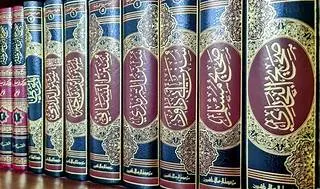
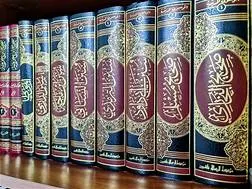
Hadith

Hadith

In Islam, Sunna or Sunnah refers to the customs and practices of the Prophet Muhammad, which include his words, actions, and tacit approvals as recorded in the Hadith. These traditions are considered a model for Muslims to follow and are a major source of Islamic law and theology, alongside the Quran. The Sunnah provides guidance not only for religious rituals but also for everyday activities, establishing a comprehensive way of life for Muslims. It’s an essential aspect of Islamic tradition that helps shape the moral and legal framework of the Muslim community.


The compilation of Hadith in Islam has a rich history that spans several centuries. Let’s explore its development over time:

  1. The Environment of Revelation:

  2. The Post-Prophet Era:

  3. The First Period:

  4. The Second Period:

  5. The Third Period:

  6. The Fourth Period:

In summary, the compilation of Hadiths involved dedicated efforts by the companions, scholars, and subsequent generations to ensure the accurate transmission of the Prophet’s teachings. The Isnad system, with its unbroken chains of narrators, has given Muslims confidence in attributing statements, deeds, and approvals to Prophet Muhammad (peace be upon him). 📜🕌


Friday, April 19, 2024

Al-sir’at al-mustaqim - Context: Faith and Practice


 DOWNLOAD these books: BOOK1, BOOK2, BOOK3, BOOK4, BOOK5, BOOK6, BOOK7, BOOK8, BOOK9, BOOK10.

Al-sir’at al-mustaqim: A term in Qur.an meaning ‘the straight path’ or ‘the right path’.

Sirat al-Mustaqim (Arabic: الصراط المستقيم, romanized: al-ṣirāṭ al-mustaqīm) is an Arabic term that means 'the straight path'. It is commonly understood as the path that leads to God. In Islamic thought, the straight path is variously used as a reference to the Quran or Muhammad, or Islam as a whole. 


The concept of the straight path is central to Islamic teachings and is mentioned numerous times in the Quran. Muslims are encouraged to strive to follow this path in order to live a righteous and fulfilling life.

The straight path is often contrasted with the paths of deviation and sin, which lead away from God and towards destruction. It is seen as a path of guidance, virtue, and righteousness, and is believed to lead to salvation and eternal happiness in the afterlife.

Muslims believe that following the straight path requires faith in God, adherence to the teachings of Islam, and the practice of good deeds. It is a lifelong journey of self-improvement and spiritual growth, and is considered essential for achieving success in this world and the hereafter.

In Islamic prayers, Muslims ask God to guide them to the straight path and keep them steadfast on it. They seek His help in avoiding temptation and staying on the right course. By following the straight path, Muslims believe they can attain closeness to God and ultimately find peace and contentment in this life and the next.


Tuesday, April 16, 2024

Shukr - Context: Faith and Practice

 DOWNLOAD these books: BOOK1, BOOK2, BOOK3, BOOK4, BOOK5, BOOK6, BOOK7, BOOK8, BOOK9, BOOK10.

Shukr: ‘Thankfulness’, or ‘Gratitude’; One of the virtues associated with a mumi’n  in the Qura’n. 

SHUKR has the following meaning when it is rendered by Allah to man: -To be liberal and bountiful in giving benefits or rewards to others. One of the attribute of Allah is Ash-Shakoor and another is Ash-Shakir, which means that Allah is very liberal and bountiful in rewarding or giving benefits to mankind.

Shukr (Arabic: شكر) is a term in Islamic teachings that refers to thankfulness or gratitude. It is considered a highly virtuous quality in Islam and is encouraged for all believers. The concept of shukr is mentioned in the Quran in relation to the believers (mumin) as a characteristic that is pleasing to God. Muslims are taught to be grateful for the blessings and favors that God has bestowed upon them, whether they are material, spiritual, or emotional. Gratitude is seen as a way to acknowledge God's benevolence and to show appreciation for His countless blessings. Expressing gratitude through words, actions, and attitudes is considered an important part of a believer's relationship with God. By being thankful, Muslims demonstrate humility, contentment, and recognition of God's mercy and generosity. In Islam, shukr is not only about being thankful for what one has received, but also about being patient and grateful in times of difficulty and adversity. It is believed that showing gratitude in all circumstances, whether good or bad, can lead to spiritual growth, inner peace, and a closer connection to God. The Quran emphasizes the importance of gratitude and mentions that those who are thankful will be rewarded by God. It is believed that by cultivating a grateful heart and acknowledging God's blessings, Muslims can increase their faith, strengthen their relationship with God, and lead a more fulfilling and purposeful life.


Here's a breakdown:

Shukr generally translates to gratitude, thankfulness, or appreciation.

When used by humans, it refers to expressing thanks to Allah for blessings received.

However, when referring to Allah, Shukr takes on a broader meaning. It signifies Allah's divine generosity and overflowing bounty that He bestows upon humanity.

Ash-Shakoor and Ash-Shakir, further emphasize this concept. They both relate to Allah's immense capacity for:

Ash-Shakoor:  Accepting our repentance and forgiving our sins even when we return to Him repeatedly.

Ash-Shakir: Being Appreciative of our good deeds and rewarding us abundantly for them, even though He needs nothing from us.

These attributes, along with Shukr, paint a picture of a loving and gracious God who showers His blessings upon us and is always ready to accept us back when we make mistakes.

In the Islamic tradition, Shukr is indeed a significant concept that embodies ‘Thankfulness’ or ‘Gratitude’. It is considered one of the virtues of a believer (mumin) in the Qur’an. The term Shukr can be understood in various dimensions:

  • Acknowledgment of Beneficence: It involves recognizing and appreciating the blessings and favors bestowed by Allah.
  • Expression with the Tongue: Verbally expressing gratitude to Allah for His favors.
  • Humility in the Heart: Maintaining a sense of humility and submissiveness in acknowledgment of Allah’s beneficence.
  • Obedience in Actions: Demonstrating thankfulness through actions by obeying Allah’s commands and using His blessings in a manner that pleases Him.

The concept of Shukr is deeply rooted in the idea that all blessings come from Allah, and thus, it is incumbent upon believers to be grateful and to use these blessings in a way that aligns with divine guidance.

Moreover, Shukr is not only limited to the relationship between humans and their Creator but also extends to interpersonal relationships, where one should be thankful for the kindness and benefits received from others.

In essence, Shukr is a comprehensive attitude that encompasses thoughts, words, and deeds, reflecting a believer’s gratitude towards Allah and His creation.

Tuesday, April 9, 2024

Shari’a and Shari’at - Context: Faith and Practice

  DOWNLOAD these books: BOOK1, BOOK2, BOOK3, BOOK4, BOOK5, BOOK6, BOOK7, BOOK8, BOOK9, BOOK10.


Shari’a: ‘Path’ or ‘road’; In the Qur’an ‘Shar’ia’ refers to the path laid down by God for Muslims to follow.


Shari’at: A term referring to the outer beliefs and practices of a religion.


Let’s delve into the meanings of these terms:

  1. Shari’a:

    • The term “Shari’a” originates from Arabic and translates to “path” or “road.” In the context of the Qur’an, it specifically refers to the divine path laid down by God for Muslims to follow. This path encompasses a comprehensive system of laws, ethics, and guidelines that govern various aspects of life, including personal conduct, family matters, business transactions, and worship.

    • Shari’a serves as the moral compass for Muslims, guiding their actions and decisions. It encompasses both religious and legal dimensions, emphasizing justice, compassion, and adherence to God’s will.

  2. Shari’at:

    • “Shari’at” is a related term that refers to the outer beliefs and practices associated with a religion. It encompasses the visible aspects of faith, including rituals, customs, and religious observances.

    • In many traditions, we find many examples which stress both on the zahiri ('outer') and 'batini' ('inner') aspects of religious practices. The concepts of zahir (outer) and batin (inner) are important aspects of religious practices in many traditions, particularly those with a strong emphasis on Islamic law (sharia).The concepts of zahir (outer) and batin (inner) are crucial in many religious traditions, especially those focusing on Islamic law (sharia). Here is an explanation of these concepts and their relation to sharia:

      Zahir (Outer): This pertains to the explicit, visible elements of religious practice, including the physical actions, ceremonies, and decrees outlined in sacred texts. In Islam, for instance, the zahir elements of sharia encompass the performance of the five daily prayers, observing the fast during Ramadan, and the giving of alms (zakat). Batin (Inner): This relates to the underlying, mystical meanings and spiritual importance of religious practices. It centers on the believer's internal state, their intentions, and the nurturing of moral qualities. The batin dimension of prayer, for example, may involve a focus on communion with the divine and the attainment of inner tranquility. The Significance of Both: Numerous traditions stress the need to acknowledge both zahir and batin in religious practices. This harmony ensures: Adherence to Rules: The zahir dimension guarantees that adherents comply with the established norms and ceremonies, promoting order and self-discipline. Spiritual Enrichment: The batin dimension motivates believers to transcend mere ritualistic actions and concentrate on personal spiritual growth, enhancing their bond with the divine.

Examples: Prayer: The physical movements of prayer are significant (zahir), but equally important is the intention and focus on connecting with God (batin). Fasting: By abstaining from food and drink (zahir), believers cultivate self-discipline and empathy for those less fortunate (batin). It's important to note: The emphasis on zahir and batin can differ based on the particular tradition and its interpretation. Some traditions may prioritize the literal aspects (zahir), while others may concentrate on the spiritual elements (batin). This concept enriches the religious practice, promoting both external observance and internal development.

  • In the context of Islam, Shari’at encompasses practices such as daily prayers (Salat), fasting during Ramadan (Sawm), almsgiving (Zakat), and pilgrimage to Mecca (Hajj). These external expressions of faith are essential for a Muslim’s spiritual growth and connection with God.

  • While Shari’a provides the overarching framework, Shari’at represents the practical implementation of religious principles in everyday life.


In summary, Shari’a represents the divine path, while Shari’at encompasses the tangible practices that allow individuals to walk that path faithfully. Both terms are integral to understanding Islamic beliefs and practices. 


Sunday, April 7, 2024

Shahada - Context: Faith and Practice

 DOWNLOAD these books: BOOK1, BOOK2, BOOK3, BOOK4, BOOK5, BOOK6, BOOK7, BOOK8, BOOK9, BOOK10.


Shahada: The affirmation of faith: La ilaha illa’l-lah, muhammada’r rasulul’ul-lah; ‘There is no god but God, Muhammad is the Messenger of God’. Through this declaration, a Muslim testifies his or her belief in the Oneness of Gog and affirms Prophet Muhammad as God’s last and final Messenger.


The Shahada (shahadah) is the Arabic term for the declaration of faith in one God (Allah) and His messenger. It is the most sacred statement in Islam.


The Shahada is a fundamental aspect of Islam. It's both a declaration and a testimony of faith, forming the foundation of the religion's beliefs.


The Shahada is recited in Arabic:


  • Ash-hadu an la ilaha ill Allah (أشهد أن لا إله إلا الله)

  • Wa ash-hadu anna Muhammadan Rasulu-Allah (وأسهد أن محمد رسول الله)


Here's a breakdown of the meaning:

Ash-hadu an la ilaha ill Allah: "I bear witness that there is no deity but Allah" (Allah is the one and only God worthy of worship).
Wa ash-hadu anna Muhammadan Rasulu-Allah: "And I bear witness that Muhammad is the Messenger of Allah" (Prophet Muhammad is the messenger sent by Allah).


Pronunciation:


While the Arabic script provides the exact wording, can be tricky if you're unfamiliar with Arabic. There are available online to help you learn, like audio recordings of the Shahada recited by native speakers [YouTube].


Importance:


Remember, the Shahada is recited with sincerity, and it holds immense significance in Islam, and understanding its meaning is more important than perfect.


Saturday, April 6, 2024

Salawat - Context: Faith and Practice

DOWNLOAD , BOOK2

Salawat: A special of blessing on the prophet and his family. Allahuma salli ala Muhammadin wa aali Muhammad: (Oh Allah send Your blessings on Muhammad and his family)

  • Salawat (plural: Salawat) is an Islamic expression that refers to sending blessings and peace upon Prophet Muhammad (ﷺ) and his family.

"Allahuma salli ala Muhammadin wa aali Muhammad", is a common and beautiful way to recite Salawat. It translates to:

  • "O Allah, send your blessings upon Muhammad and the family of Muhammad."


  • Surah Al-Ahzab, Verse 56 (33:56):

إِنَّ اللهَ وَمَلَائِكَتَهُ يُصَلُّونَ عَلَى النَّبِيِّ يَا أَيُّهَا الَّذِينَ آمَنُوا صَلُّوا عَلَيْهِ وَسَلِّمُوا تَسْلِيماً

This verse translates to:

Indeed, Allah showers His blessings upon the Prophet, and His angels pray for him. O you who believe, invoke Allah's blessings upon him and greet him with worthy greetings of peace.

Here, Allah commands believers to follow His example and of the angels by sending blessings (صلّوا - yuṣallī) and greetings (سلموا - taslīmū) upon Muhammad (ﷺ). This verse is considered a foundation for the practice of Salawat in Islam.

Muslims believe that reciting Salawat brings many benefits, including:

  • Showing respect and love for Prophet Muhammad (ﷺ)

  • Receiving blessings from Allah (God)

  • Having your own supplications answered

There are many different forms of Salawat, and Muslims are encouraged to recite them throughout .

Here are some additional points to consider:

  • : This symbol after Prophet Muhammad's name is an abbreviation for the Arabic phrase "sallallahu alayhi wa sallam" which translates to "may the peace and blessings of Allah be upon him."

  • Variations in Salawat: While the phrase you provided is common, there are many other ways to recite Salawat. Some include sending blessings upon his companions as well.

I hope this explanation helps! Let me know if you have any other questions about Salawat or Islam in general.


Monday, April 1, 2024

Salat (Salah) - Context: Faith and Practice

 Quran:

Salat (Salah): The Arabic term for ‘prayer’; also ‘namaz’.

Salat (or salah) is the Arabic term for the ritual prayer. It's considered a foundational practice in the religion. Here's a bit more detail:
    Obligatory Prayers: There are obligatory prayers performed at designated times throughout the day.
    Surah Hud, verse 114 (11:114) of the Quran reads:

    وَأَقِمِ الصَّلَوٰةَ طَرَفَيِ النَّهَارِ وَزُلَفًا مِّنَ اللَّيْلِ ۚ إِنَّ الْحَسَنَاتِ يُذْهِبْنَ السَّيِّـئَاتِ ۚ ذَٰلِكَ ذِكْرَىٰ لِلذَّاكِرِينَ

    Here is a translation of the verse:

    Establish prayer at the two ends of the day and at the approach of the night. Indeed, good deeds [erase] evil deeds. That is a reminder for those who remember.

    There are some interpretations of this verse:

    Command for Prayer: This verse is seen as a command for Muslims to perform Salat (prayer) at specific times. The "two ends of the day" are generally understood as referring to the morning and evening prayers, while the "approach of the night" could refer to the night prayer (Isha).

    Surah Al-Ankabut (The Spider) 29:45 describes it as: "Establish prayer at the decline of the sun until the darkening of the night and [at] the turning of the dawn. Indeed, the recitation of dawn is ever witnessed." (This verse refers to specific prayer times)

    The Quran itself doesn't provide specific details on how to perform Salat, but it does emphasize its importance and mentions it in various verses. Here's a breakdown of what the Quran offers on the topic of Salat:

    Command to Establish Prayer: Several verses command Muslims to establish prayer. For example, Surah Al-Baqarah (The Cow) 2:43 states: "And be steadfast in prayer (Salat), and pay the obligatory charity (Zakat). And bow down your heads with those who bow (in prayer)." (This is just one example, there are others throughout the Quran)

    Connection to God: The Quran portrays Salat as a direct connection with God. Surah Al-Ankabut (The Spider) 29:45 describes it as: "Recite what is revealed to you of the scripture and establish prayer. Indeed, prayer restrains [one] from immorality and wrongdoing. And indeed, the remembrance of Allah is greater. And Allah knows what you do."

    Purification and Forgiveness: Salat is also linked to purification and seeking forgiveness. Surah Taha (Ta Ha) 20:14 says: "Establish prayer at the decline of the sun until the darkening of the night and [at] the turning of the dawn. Indeed, the recitation of dawn is ever witnessed." (This verse refers to specific prayer times)

    Important Points:

    While the Quran doesn't specify the details, it lays the foundation for Salat as a core practice.

    Specific instructions on performing Salat are found in the Hadith, the sayings and traditions of Prophet Muhammad (ﷺ).

    These details include the postures, timings, and what to recite during each prayer.

    Form of Worship: Salah involves a series of postures like standing, bowing, and prostrating while reciting verses from the Quran and supplications.

    Direction: Prayers are performed facing the Kaaba, the cubical structure in Mecca considered sacred by Muslims.

    Alternative Term: Namaz is another term used for prayer, particularly in some regions like South Asia.

    Is there anything specific you'd like to know about Salat, like the different prayer times or the steps involved?